
The Future of Online Video and Digital Entertainment
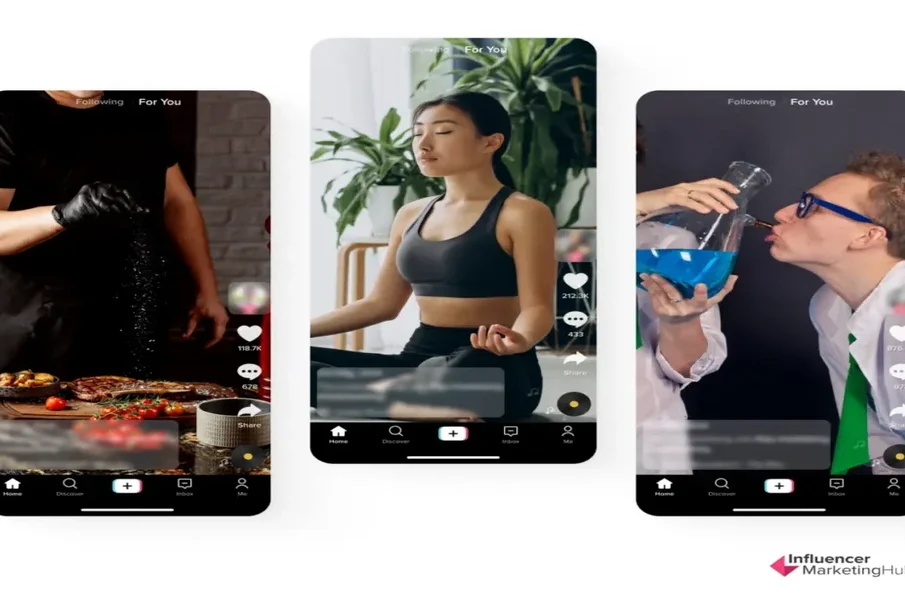
Online video and digital entertainment continue to change as technology influences how audiences access, discover, and consume media. Streaming services, faster internet connections, mobile devices, and evolving digital platforms have created viewing experiences that differ considerably from traditional entertainment models. Websites such as unceno demonstrate the broader shift toward digital access, where audiences can encounter video content through internet-connected services and navigate extensive online collections.
Current Changes in Digital Entertainment
Digital entertainment has moved beyond the traditional model of scheduled television and physical media. Audiences increasingly expect convenient access to content through connected devices, while digital services continue to develop features designed around flexible viewing.
Streaming has become an important part of this transition. Improvements in internet infrastructure and video delivery systems have made it possible to access higher-quality content across different locations. Digital distribution has also reduced some of the practical limitations associated with physical formats.
The Continued Growth of Online Video
Online video is likely to remain an important component of digital entertainment as audiences become accustomed to on-demand access. Viewers can select content according to their interests and available time rather than following fixed schedules.
The range of online video is also expanding. Long-form programs, short videos, livestreams, documentaries, animation, and other formats can coexist within the digital environment. This variety gives audiences more opportunities to find content suited to different viewing situations.
Mobile and Connected Viewing
Mobile devices have significantly influenced how people access entertainment. Smartphones and tablets allow viewers to watch video from different locations, while smart televisions and connected computers provide larger-screen alternatives.
Future developments in mobile networks and connected devices may further improve video access. Faster connections, improved displays, better playback technology, and responsive interfaces can contribute to more consistent viewing experiences across different devices.
Advances in Content Discovery
As online video libraries become larger, finding relevant content becomes increasingly important. Search tools, categories, metadata, recommendations, and filtering features can help audiences navigate extensive collections.
Technology may make these systems more sophisticated over time. Recommendation tools can analyze viewing patterns and preferences to present potentially relevant material, while improved search systems may make it easier to locate specific content. Clear organization will remain important as digital libraries continue to expand.
Changing Expectations Among Audiences
Audience expectations are changing alongside improvements in technology. Viewers increasingly value flexibility, accessibility, reliable playback, and straightforward navigation. They may also expect digital services to work consistently across different devices and provide useful controls over their viewing experience.
Privacy and security are becoming important considerations as well. Audiences may pay greater attention to how personal information is collected, stored, and used. Transparent settings and responsible data practices can help build greater confidence in digital services.
Potential Directions for Digital Entertainment
Future digital entertainment may involve greater integration between streaming, mobile technology, personalization, and interactive features. Improvements in artificial intelligence, connectivity, content management, and digital production could create new approaches to creating and distributing video.
At the same time, established entertainment formats are likely to continue alongside emerging technologies. Audiences may move between different services and devices depending on their needs and preferences. The continued development of online video will therefore be shaped by both technological progress and the changing expectations of people who use digital entertainment services.






-
The Future of Online Video and Digital Entertainment
Online video and digital entertainment continue to change as technology influences how ... -
-
-
-